


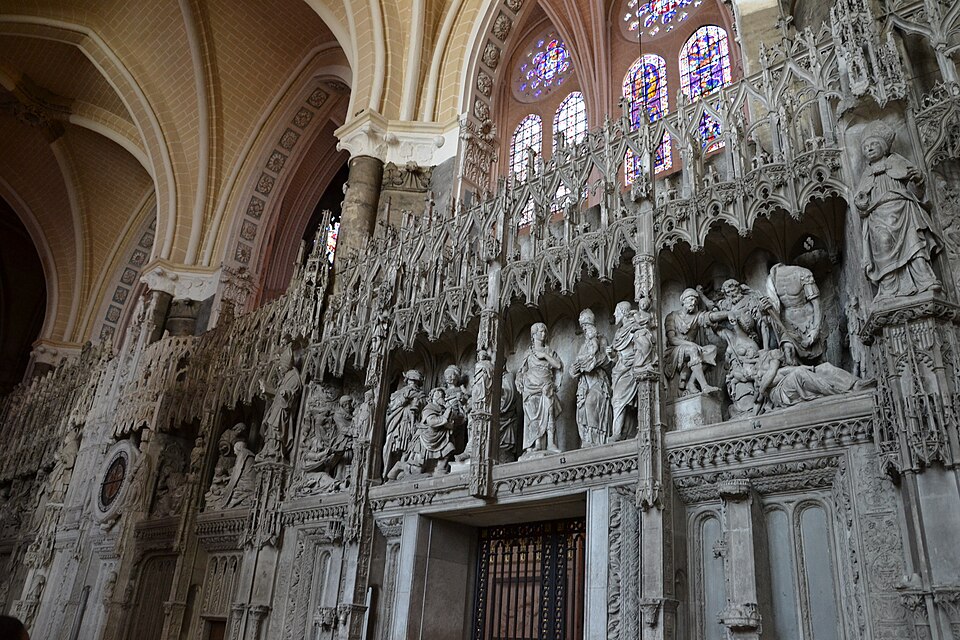
Step into a centuries-old cathedral and you’re immediately enveloped by something beyond yourself. Soaring arches draw your eyes heavenward. Light streams through stained glass, as if painting prayers in color across stone floors. Every element whispers a truth about the Lord of Lords you’ve come to worship.
Now step into many modern churches, and the contrast is jarring. Low ceilings. Bare walls. Spaces that resemble conference centers more than houses of God. The disquiet you feel when you enter these spaces is real and telling.
Church buildings actively form those who worship within them. Their structure, orientation, and beauty guide the faithful toward fuller participation in the liturgy. When we strip away this formative power, worship risks becoming overly intellectual and detached from the senses God gave us to encounter Him. In this article, we will explore why sacred architecture is essential to proper worship and how you can support the construction of such sacred spaces.
The shift away from beautiful sacred architecture did not happen overnight. Following Pope Benedict XVI’s analysis, the problem traces to the early 19th century and Enlightenment philosophy, particularly Kant’s separation of perception from reality. Once beauty became merely an emotional response rather than an objective reality, the foundation for traditional church architecture was weakened.
By the mid-20th century, most architecture schools no longer taught traditional harmony and proportion. A generation of architects emerged who had lost understanding of how form connects to theology and anthropology.
Furthermore, traditional liturgical structures had long served as a stabilizing force before the Second Vatican Council, since liturgy was fixed and immovable. Once those structures became open to change without sufficient theological grounding, the pace of transformation quickened. What followed the Council was not an abrupt departure but the rapid unfolding of currents already in motion.
The Second Vatican Council became a pretext for changes that often contradicted what it actually taught about sacred art.
Architecture can either help or hinder your ability to connect with the holy. Sacred spaces built according to traditional liturgical principles orient worshippers toward God in numerous ways:
When we strip away these elements, worship becomes increasingly internalized and cerebral, and the community loses the shared experience of beauty that unites diverse people in common awe.
Your desire for beauty in places of worship is neither superficial nor sentimental. This longing runs deeper than personal taste or cultural conditioning. God created the human soul for transcendence, and sacred spaces that embody authentic beauty answer this need in ways purely functional buildings cannot.
Modern dismissals of church beauty often frame it as mere personal preference or nostalgia. David Clayton, an artist and educator who defends traditional Catholic aesthetics, argues the issue runs far deeper. The question of unsightliness in modern church architecture touches theology itself. At stake is how the Church understands:
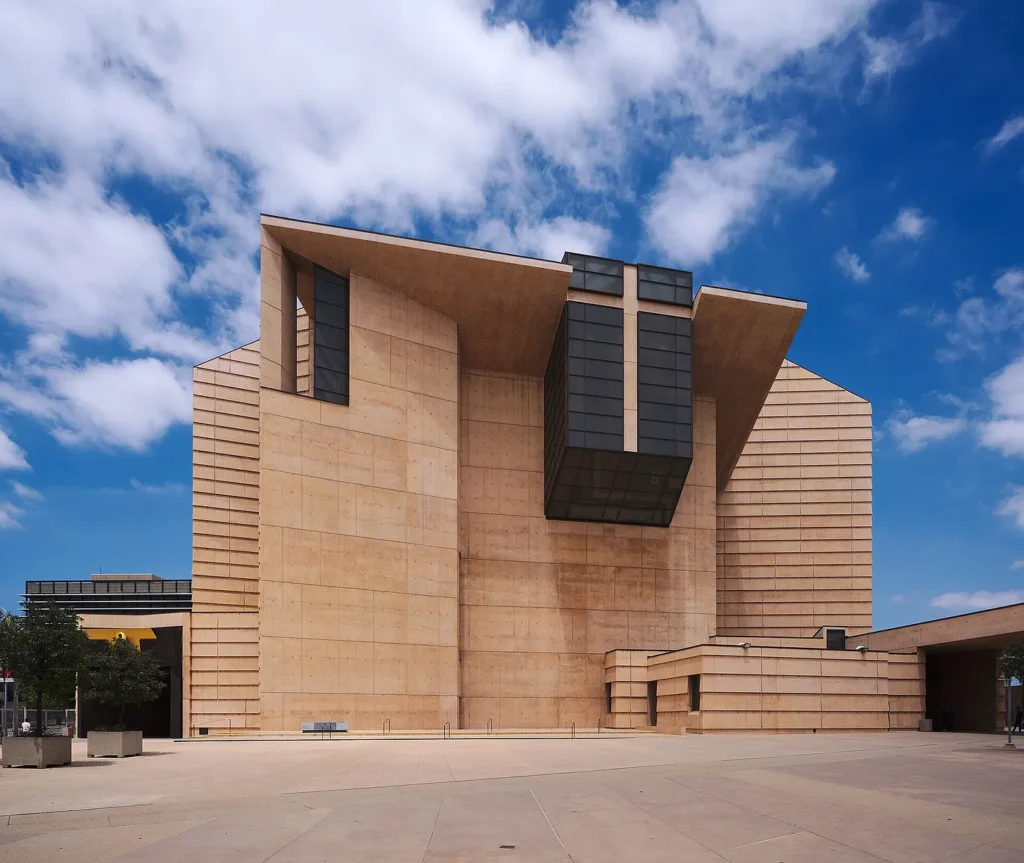
Beauty in sacred spaces is not optional decoration. When churches embody authentic beauty, they raise hearts and minds to God. When they embrace brutalist architecture or stark minimalism, they reduce worshippers to creatures with purely material needs. The building’s very form shapes what we believe about the sacred.
Traditional Catholic architecture endures through its capacity to shape souls across generations. These forms possess an accessible surface that invites all comers and an inexhaustible depth that rewards contemplation.
The Church’s commitment to beauty in sacred art and architecture rests on centuries of theological reflection. This tradition teaches that beauty is not merely an attractive appearance but a path that leads the soul toward God Himself.
The Via Pulchritudinis, or way of beauty, describes beauty as one of the transcendental properties of being, alongside truth and goodness. Where you find one, you will find the others. The theology of beauty teaches that true beauty draws us beyond itself toward God, who is the source of all beauty.
This understanding transforms how we approach church design. If beauty genuinely leads souls to God, then creating beautiful sacred spaces becomes a theological imperative. The importance of beauty in church buildings stems from the conviction that beauty forms belief and shapes prayer in ways that words alone cannot.
The Church’s wisdom on sacred art spans centuries and remains consistent. Here are a few important points to note:
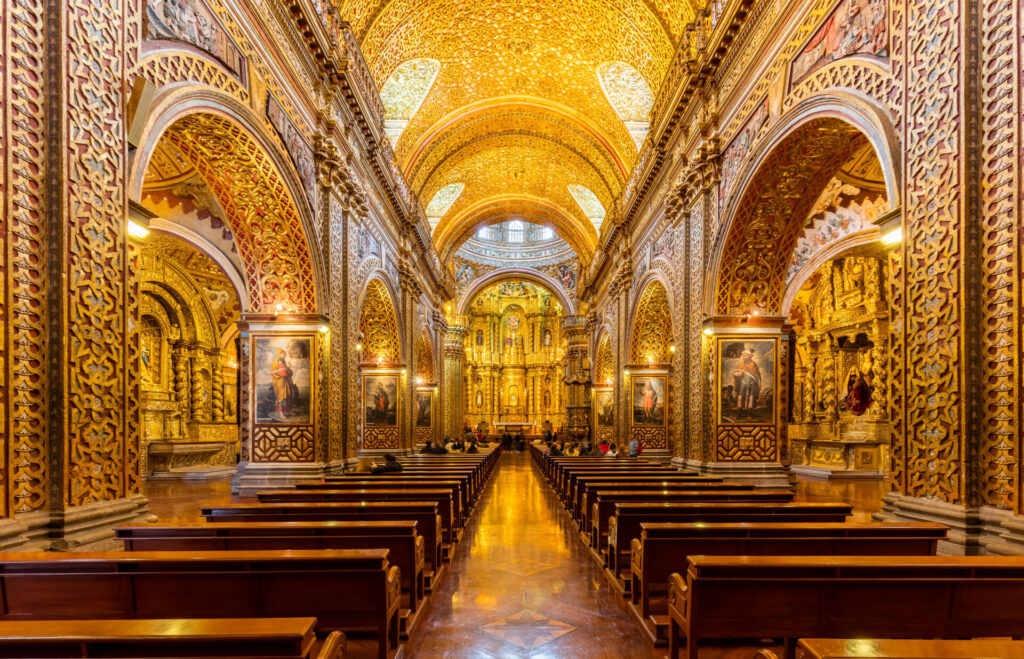
Walk through a traditionally designed Catholic church, and you receive a wordless catechism.
These archetypal forms carry layers of meaning developed over millennia. Porticos, bell towers, colonnades, and vaulting all articulate truths of faith, just like music, painting, and sculpture. Christian symbolism in architecture becomes a language that speaks even without uttering words.
A church that embraces this catechetical function helps children learn their faith through what they see and experience. The building itself becomes a teacher, forming souls through beauty rather than concepts alone.
Despite decades of decline, a growing movement now seeks to reclaim beautiful church design. Architects, clergy, and faithful Catholics are rediscovering the principles that made sacred architecture a path to God.
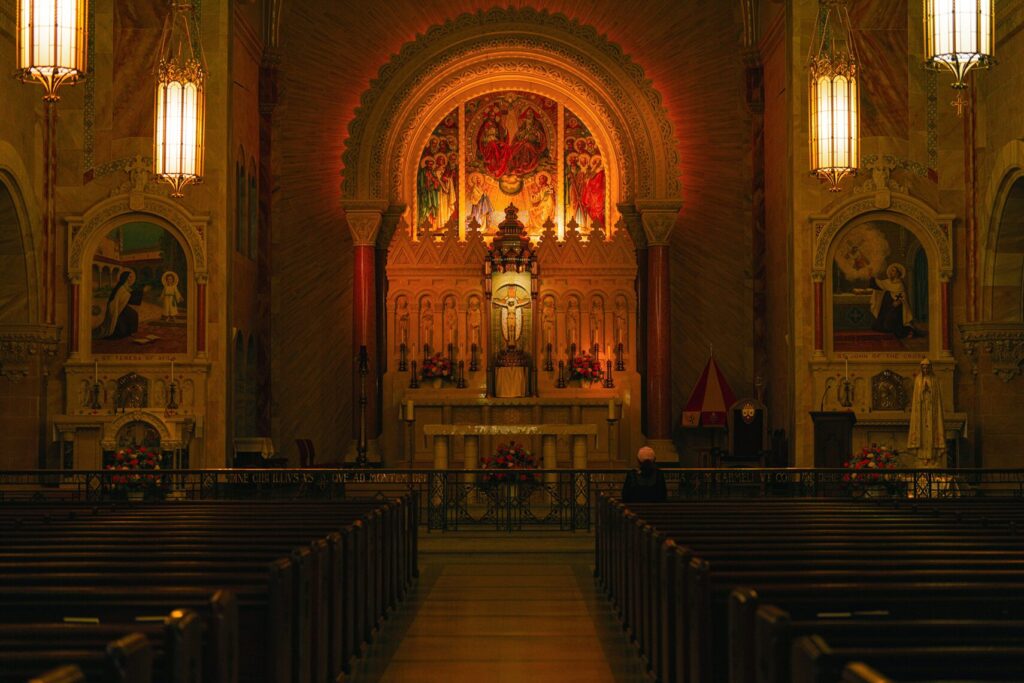
What makes a church beautiful? While no formula or architectural style can replace authentic artistic vision, certain principles define sacred space:
These elements work together to create a catechism in paint, mosaic, and stone.
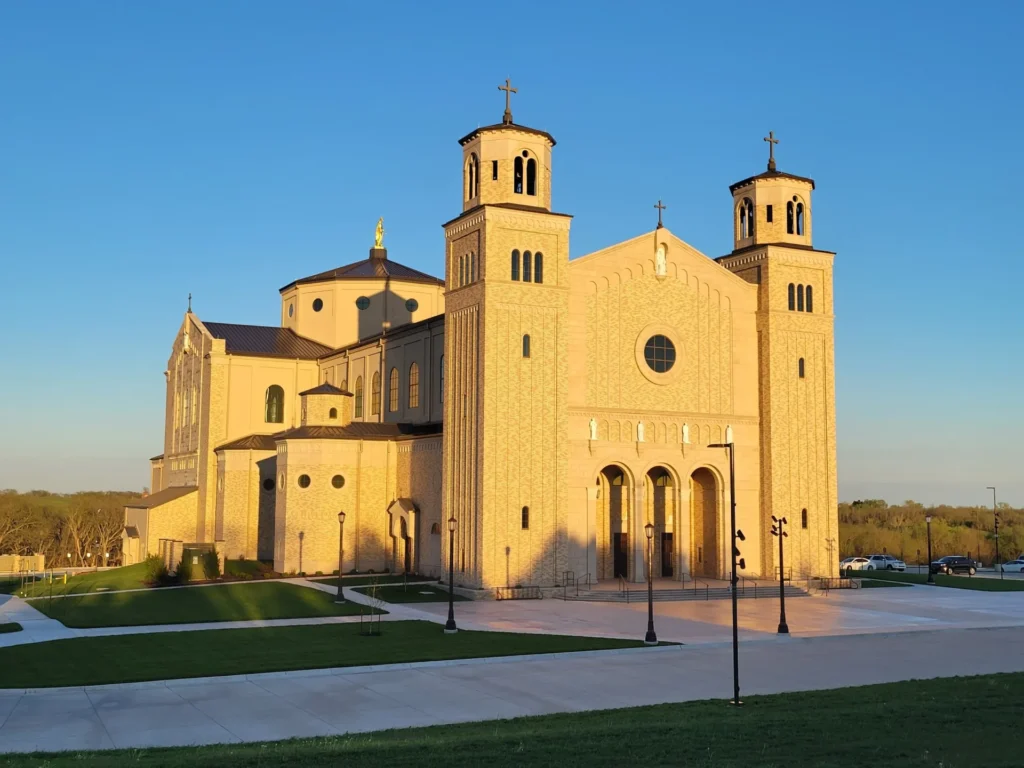
Building beautiful churches in our own time is not only possible but happening. The Immaculata in Kansas offers one compelling example. This Romanesque church features two bell towers calling the faithful to Mass and a cupola crowned with a statue of Our Lady. The design unites church and cemetery as proper in Catholic parishes.
The Cathedral of Our Lady of Fatima in Karaganda, Kazakhstan, completed in 2012, also proves that what makes a church beautiful transcends era and geography.
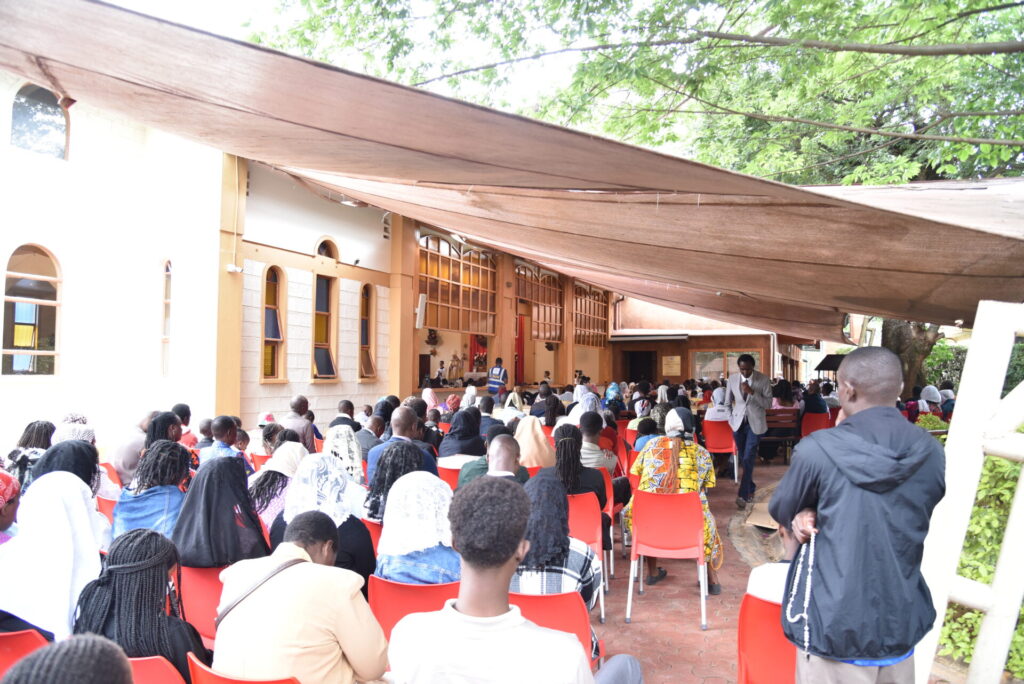
The principles we have explored find concrete expression in the new church rising at Holy Cross Catholic Church in Lavington.
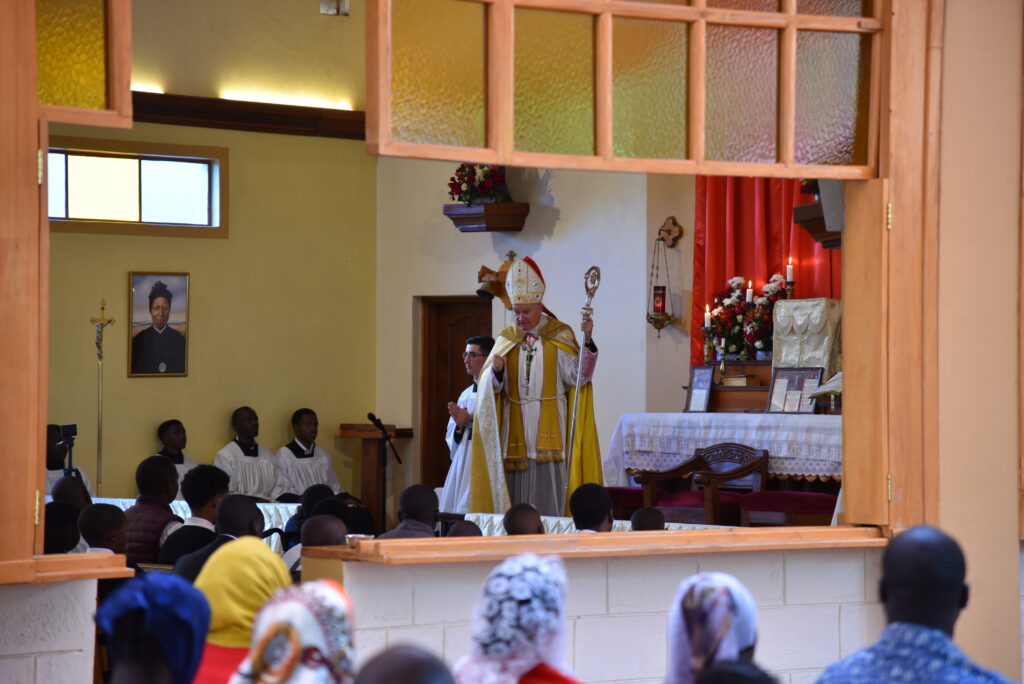
Holy Cross has grown from a small chapel to a thriving parish where hundreds gather each Sunday for the Traditional Latin Mass. The current church can barely contain the faithful, with worshippers spilling into tents and along walkways. Building a new church addresses this practical need while embodying every principle of sacred architecture we have discussed.
The new Holy Cross church will be a place set apart, designed to lift hearts toward God through beauty and functionality. Its design honors Catholic tradition while serving the needs of a growing community. Every element will be ordered toward worship, from the altar as the focal point to the use of natural light and enduring materials.
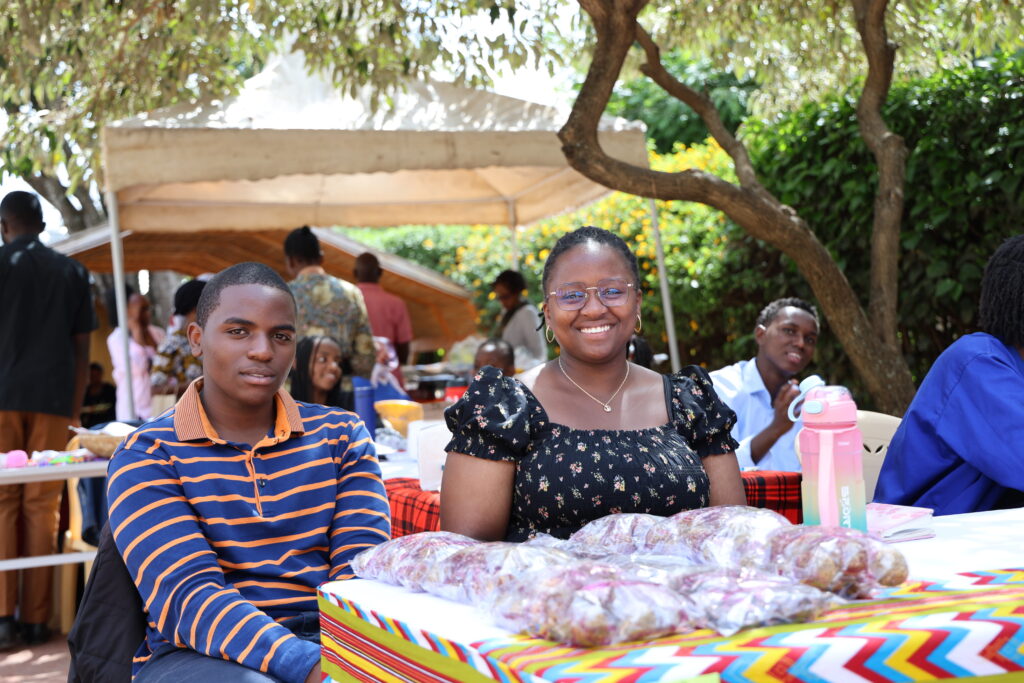
Every brick, every beam, every sacred element of the new Holy Cross Catholic Church is being raised through the generosity of faithful Catholics who understand what’s at stake.
Your support, regardless of size, contributes to this sacred work. When a young family enters for their first Traditional Latin Mass, when a searching soul encounters beauty that points beyond itself, when future generations kneel before the altar, your contribution will have made that moment possible.
We invite you to stand with us in this mission. Explore the ways to support the new church through monthly giving, one-time gifts, or dedicated memorial donations. Every act of generosity brings us closer to completing a church worthy of the worship it will hold.
Become a donor today and help us build a beacon of faith that will stand for centuries.
Fill out your email on the right to receive our communication directly. Your support and donations help strengthen our mission and allow us to continue impacting lives. Thank you for standing with us.
Leave a Reply